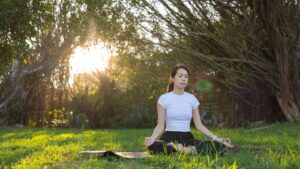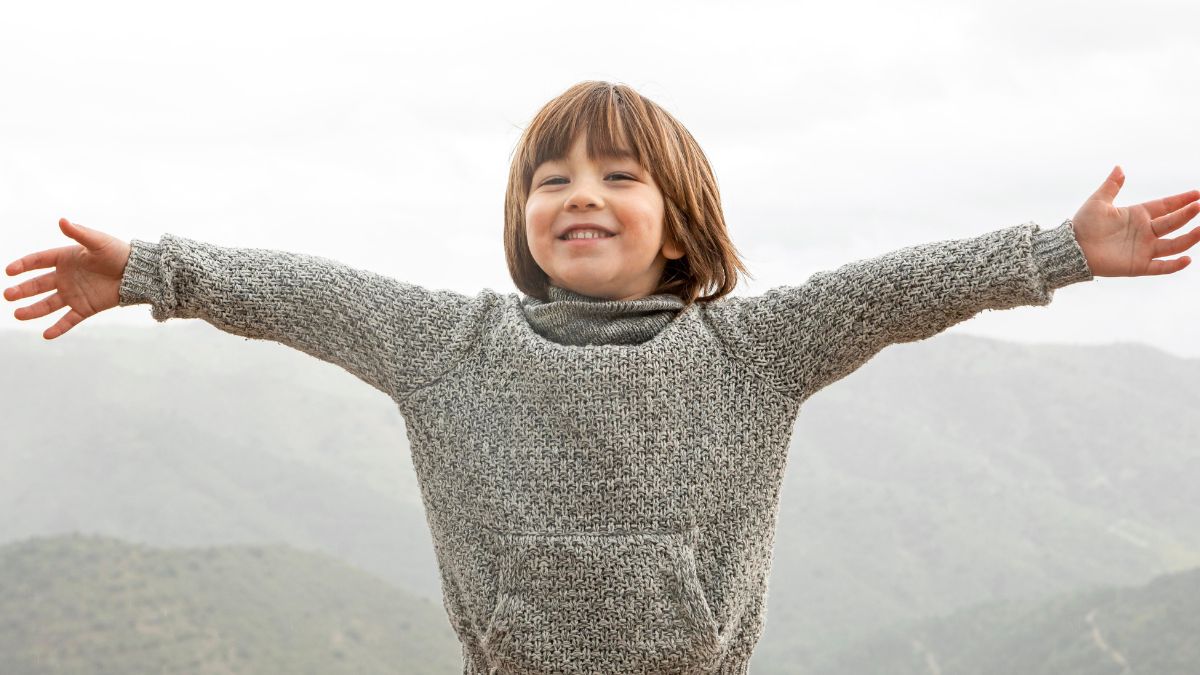
Just like adults, kids can get stuck in stressful thoughts. They might notice a racing heart, tight shoulders, or butterflies in their stomach. These reactions are normal. But when they take over, they can make it hard for a child to focus, learn, or enjoy daily life.
Fortunately, children can learn to calm themselves by paying attention to their body, breath, and surroundings. This is called mindfulness. Mindfulness helps a busy mind settle and teaches kids to handle stress over time. Teaching calm down strategies for kids is an important step in building resilience. Could these simple tools help create a happier, more balanced childhood? Let’s look at ways to support your child’s inner calm.
The Power of Calm: Why Relaxation Matters for Kids
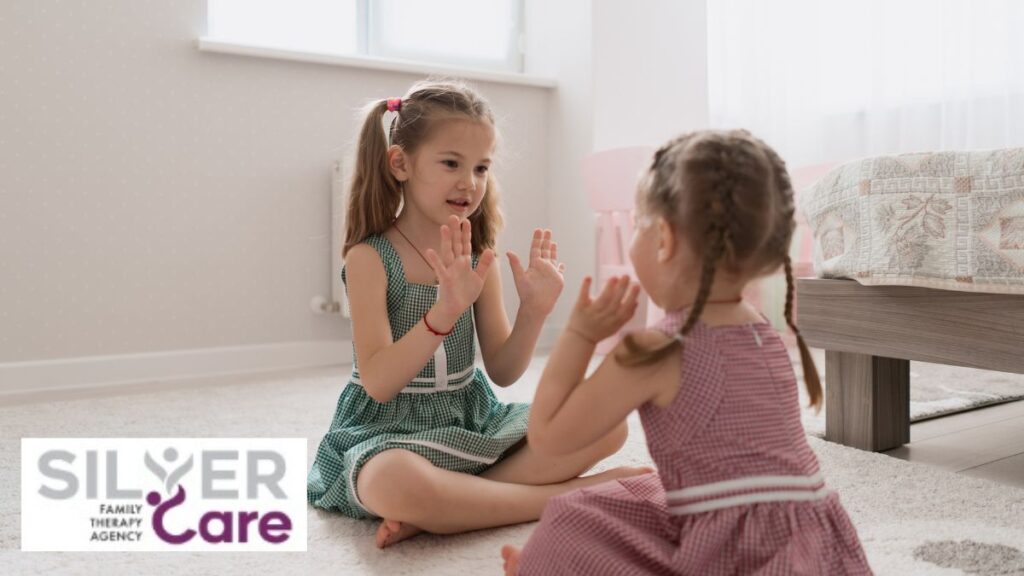
What if your child had an easy way to manage sudden stress, stay focused, and sleep better? Imagine kids learning to calm their minds and bodies in just a few steps.
Relaxation techniques aren’t just for adults. They can improve children’s physical and emotional well-being. Regular practice can change how a child handles everyday pressures. For instance, a 2018 meta-analysis by Creswell and Khoury found that mindfulness training significantly reduced anxiety in children and teens.
Benefits of Calming Techniques for Kids
| Area | Description |
| Stress Reduction | Lowers stress hormones, easing headaches and digestive discomfort. |
| Emotional Regulation | Helps kids manage strong emotions and pause before reacting. |
| Greater Body Awareness | Encourages noticing tension and knowing when to take a break. |
| Improved Focus | Calms the mind, making it easier to stay on tasks or schoolwork. |
| Better Sleep Quality | Supports restful sleep by calming both mind and body. |
Teaching a calm down exercise equips your child with a tool they can carry everywhere.
Breathing and Sensory: Simple Calming Techniques for Kids
The most effective ways to help children build emotional balance are fun, hands-on, and easy to add to daily life. These calming activities use breathing or the five senses to anchor attention to the present, moving focus away from worries.
1. Focused Breathing
Breathing is a quick way to calm the nervous system. Slow, deep breaths tell the brain the body is safe. This reduces the “fight or flight” response.
Belly Breathing
- Have your child lie on the floor. Place a hand on the stomach. For younger kids, put a stuffed animal there.
- Breathe in slowly. Watch the stomach rise like a balloon.
- Breathe out slowly. Watch it fall.
- Practice standing with one hand on the stomach. Can they move only the belly, not the chest?
Flower and Bubbles
- Imagine holding a flower in one hand and a bubble wand in the other.
- Smell the flower: inhale through the nose.
- Blow the bubbles: exhale through the mouth.
- Repeat three to five times. This playful exercise guides breath through imagination.
Bunny Breathing
- Kneel, hands drawn up, chin down. Pretend to be a bunny.
- Take short, quick sniffs in through the nose.
- Exhale slowly in one long breath.
- Repeat. It teaches controlled exhalation in a fun way.
2. The Five Senses: Anchoring in the Moment
Overwhelmed kids often have racing thoughts. Using the five senses helps shift focus to the present. This is a practical calm down activity for immediate balance.
The “54321” Technique
- 5 things they see now
- 4 things they feel
- 3 things they hear
- 2 things they smell
- 1 thing they taste
Mindful Baking
- Put on calming music. Bake cookies or pizza.
- Count and measure ingredients together.
- Notice textures while kneading dough.
- Smell the aroma. Taste the results.
Nature Walk
- Explore a park or backyard.
- Notice sounds and sights of growth.
- Touch tree bark, leaves, or pine needles.
- Smell the natural scents.
- Repeat often to learn that life continues changing and moving, which itself is calming.
Movement and Muscles: Releasing Built-Up Stress
Stress affects both body and mind. Muscles can tighten or clench. Calming exercises for kids that include gentle movement help release tension and encourage relaxation.
Making Lemonade
- Pretend to stand under a lemon tree.
- Stretch hands to pick lemons.
- Squeeze lemons tightly.
- Drop them. Relax hands.
- Repeat. By the end, shake out tension and notice calm.
The Big Squeeze
- Start with toes. Tighten muscles for five seconds, then release.
- Move up the body. Notice the difference between tension and relaxation.
Go Slow Like a Turtle
- Move slowly, imagining rain or sun.
- Curl, hide, and stretch.
- Mimic a slow, mindful walk toward the ocean.
Lounge Like a Lazy Cat
- Curl into a ball. Yawn slowly. Stretch arms and legs.
- Rise, arch the back, and lie down again. Repeat.
Float Like a Feather / Freeze Like a Statue
- Extend arms. Float in the air.
- Freeze like a statue.
- Resume floating. End in a relaxed position.
Mindful Movement
- Move like animals: kangaroo, snake, penguin.
- Trace palms, rub hands together, notice sensations.
- Walk and describe ground textures.
- This engages kinetic energy for calm down strategies for kids.
How to Calm a Child: Making Relaxation a Daily Habit

Teaching relaxing activities is only the first step. Consistent practice matters. Like learning to ride a bike, skills grow stronger with repetition.
Role Modeling and Routine
- Adults show kids how to cope by doing exercises themselves.
- Physical activity models emotional coping.
Practice When Calm
- Don’t wait for meltdowns.
- Practice belly breathing before bed or “The Big Squeeze” during homework.
- Routine practice makes skills more effective during stress.
Use Visuals
- Younger children connect with imagery like “bunny breathing” or “making lemonade.”
Acknowledge Feelings
- Name and accept emotions: “I see you’re frustrated.”
- Then guide them to a movement activity, like jumping or dancing, to release tension.
Addressing the Bigger Picture
- Relaxation, imagination, and distraction improve well-being.
- They help kids manage difficult situations and develop resilience.
- Teaching simple calm down strategies for kids is an investment in mental health and future success.
FAQ: Peaceful Pointers for Parents
Q1: Can these techniques help with test anxiety?
Yes. Test anxiety often triggers the fight-or-flight response. Belly breathing or the “54321” technique can be done discreetly at a desk. They calm the nervous system and bring back focus.
Q2: My pre-teen thinks exercises are “silly.” How can I encourage them?
Call them “focus hacks” or “energy boosters.” Explain that athletes and performers use similar techniques. Transition to mature methods like rhythmic counting breaths. It becomes a practical tool for mental control.
Q3: How often should we practice relaxation techniques?
Consistency is key. Even short daily sessions (10–15 minutes) improve emotional regulation and executive function in elementary children. Aim for two short sessions daily: after school and before bedtime.
Q4: My child can’t sit still. Are there movement techniques?
Yes. Try “Go Slow Like a Turtle” or a quick “Shake It Off” dance. Movement releases physical tension and restores calm.
Q5: How do I know if a technique is working?
Look for subtle signs: faster recovery from frustration, requesting “smell the flower” moments, better sleep, or more stable moods. Kids using calm down exercises independently is the ultimate success.
Supporting Your Child’s Emotional Balance Every Day
Helping children stay calm and balanced doesn’t have to be hard. At Silver Care Agency, simple techniques, like deep breathing, mindful movement, sensory exercises, and playful imagery, help kids notice and handle their emotions. Practicing relaxation techniques for kids regularly can boost focus, ease stress, and support a healthy mind-body connection. Fun relaxing activities for kids, like nature walks, quiet reflection, or playful exercises, make learning calm skills enjoyable. Adding a calming exercise for kids to daily routines creates a safe space where children feel grounded and in control. Silver Care Agency in New Jersey helps parents and caregivers take small, steady steps that encourage a calmer, happier, and more balanced life for every child. Reach out today to learn about personalized plans and see how easy daily practices can support your child’s emotional growth.